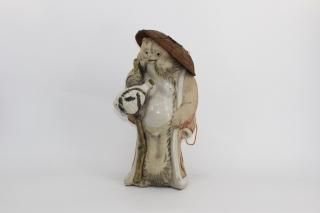
ì¤ÎÃÖʪ¡¿TANUKI Figures


Á´7¾¦ÉÊ
ʤÓÂØ¤¨¡§
ì¤Ï¿Í´Ö¤ò²½¤«¤·¤¿¤êÉÔ»×µÄ¤Ê¹ÔÆ°¤ò¤¹¤ë¤³¤È¤ÇÆüËܤÎÀÎÏá¢Ì±Ïä˸«¤é¤ì¡¢Ê¸¸¥¤Ë¤â¸Å¤¯¤«¤éÊѲ½¡Ê¤Ø¤ó¤²¡Ë¤ò¤¹¤ëǽÎϤò¤â¤Ä²ø¤·¤¤Æ°Êª¡¦ÍŲø¤ÎÀµÂΤǤ¢¤ë¤Èª¾Ò²ð¤µ¤ì¤Æ¤¤¤ë¡£Ê¸Ê¡Ãã³ø¡Ê¤Ö¤ó¤Ö¤¯¤Á¤ã¤¬¤Þ¡Ë¡¢Ã¬Óò»Ò¡Ê¤¿¤Ì¤­¤Ð¤ä¤·¡Ë¡¢°¤ÇÈì¹çÀï¡Ê¤¢¤ï¤¿¤Ì¤­¤¬¤Ã¤»¤ó¡ËÃÄ»°ÏºÃ¬¡Ê¤À¤ó¤¶¤Ö¤í¤¦¤À¤Ì¤­¡Ë¡¢¾×Ωì¡Ê¤Ä¤¤¤¿¤Æ¤À¤Ì¤­¡Ë¡¢Æ¦Ã¬¡Ê¤Þ¤á¤À¤Ì¤­¡Ë¤Ê¤É¤¬ÂåɽŪ¤ÊÀÎÏá¢Ì±ÏäȤ·¤ÆÃΤé¤ì¤Æ¤¤¤ë¡£ ¤Þ¤¿¡¢º´ÅϤÎÃÄ»°ÏºÃ¬¡¢ÆÁÅ縩¤Î¶âĹ졦ϻ±¦±ÒÌçì¡¢¹áÀ¤ÎÂÀ»°ÏºÃ¬¡¢°¦É²¸©¾¾»³»Ô¤Î¤ªÂµÃ¬¤Ê¤É¤Ï»û¼Ò¤ä㬤ʤɤ¢¤ê¡¢¿®¶Ä¤ÎÂоݤˤâ¤Ê¤Ã¤Æ¤¤¤ë¡£ ¹¾¸Í»þÂå°Ê¹ß¤Ï¡¢¤¿¤Ì¤­¡¢¤à¤¸¤Ê¡¢¤Þ¤ßÅù¤Î¸Æ¤Ð¤ìÊý¤¬¼ç¤Ë¤ß¤é¤ì¤ë¤¬¡¢´ØÀ¾¤Ç¤Ï¤Þ¤á¤À¡ÊƦ졦àΡˡ¢ÅìËÌÃÏÊý¤Ç¤Ï¤¯¤µ¤¤¡¢¤¯¤µ¤¨¡£¸å¡¢ÍÅì¡Ê¤è¤¦¤ê¡Ë¤ä²øÃ¬¡Ê¤«¤¤¤ê¡Ë¡¢¸Åì¡Ê¤³¤ê¡Ë¤Ê¤É¤È¤â¸Æ¤Ð¤ì¤Æ¤¤¤ë¡£ ¿®³Ú¾Æ¤Îì ÌÀ¼£´ü¤ËÆ«·Ý²È¤ÎÆ£¸¶î¬ºî¤Ã¤¿¤â¤Î¤¬ºÇ½é¤È¸À¤ï¤ì¤Æ¤¤¤ë¡£1951ǯ¡Ê¾¼ÏÂ26ǯ¡Ë¡¢¾¼ÏÂÅ·¹Ä¤¬¿®³ÚÄ®¹Ô¹¬¤ÎºÝ¡¢¤¿¤¯¤µ¤ó¤Î¿®³Úì¤ËÆü¤Î´Ý¤Î¾®´ú¤ò»ý¤¿¤»±èÆ»¤ËÀßÃÖ¤·¤¿¤È¤³¤í¡¢Ã¬¤¿¤Á¤¬±ä¡¹¤È³¤¯¾ð·Ê¤Ë´¶¶½¤ò³Ð¤¨¡¢¸æÀ½¤ò±Ó¤ó¤À°ïÏ䬿·Ê¹¤ÇÊ󯻤µ¤ì¡¢Á´¹ñ¤ËÃΤé¤ì¤ë¤è¤¦¤Ë¤Ê¤Ã¤¿¡£¿®³ÚĮĹÌ¿·µÜ¿À¼Ò¤Ë²ÎÈ꤬·ú¤Ã¤Æ¤¤¤ë ¡¡¡¡¡Ö¤ò¤µ¤Ê¤­Æü¡¡¤¢¤Ä¤á¤·¤«¤é¤Ë¡¡¤Ê¤Ä¤«¤·¤â¡¡¿®³Ú¾Æ¤Î¡¡Ã¬¤ò¤ß¤ì¤Ð¡×--¾¼ÏÂÅ·¹Ä ¡¡¡¡¡¡¡ÊÍĤ¤¤È¤­¤Ë½¸¤á¤¿¾Æ¤­Êª¤Î¥¿¥Ì¥­¤ò¤Ê¤Ä¤«¤·¤¯»×¤¤½Ð¤·¤¿¡¢¤È¤¤¤¦°ÕÌ£¡Ë ±ïµ¯Êª¤È¤·¤Æ´î¤Ð¤ì¡¢Ã¬¤¬¡Ö¾¤òÈ´¤¯¡×¤ËÄ̤¸¤ë¤³¤È¤«¤é¾¦ÇäÈËÀ¹¤ÈÞ¯Íî¤ÆÅ¹¤Î¸®Àè¤ËÃÖ¤«¤ì¤ë¤³¤È¤¬Â¿¤¤¡£ Tanuki (raccoon dogs) are often seen in Japanese folk tales and legends, tricking humans and engaging in mysterious behavior. They have long been depicted in literature as mysterious creatures or monsters with the ability to shapeshift. Some famous folk tales include Bunbuku Chagama (Bunbuku Tea Kettle), Tanuki Bayashi (Raccoon Music), Awa Tanuki Gassen (Awa Tanuki Battle), Danzaburou Tanuki (Danzaburou Tanuki), Tsuitate Tanuki (Screen-holding Tanuki), and Mamedanuki (Mamedanuki). Other tanuki characters, such as Danzaburou Tanuki of Sado, Kincho Tanuki and Rokuemon Tanuki of Tokushima Prefecture, Tasaburo Tanuki of Kagawa Prefecture, and Osode Tanuki of Matsuyama City, Ehime Prefecture, are also worshipped, with temples and shrines dedicated to them. Since the Edo period, they have commonly been called tanuki, mujina, or mami, but in the Kansai region they are called mameda (small tanuki/muji), and in the Tohoku region they are called kusai or kusae. Later, they have also been called yōri (demon tanuki), kairi (strange tanuki), and kori (old tanuki). Shigaraki Ware Tanuki The first Shigaraki tanuki are said to have been created by the potter Fujiwara Tetsuzo during the Meiji period. In 1951 (Showa 26), during Emperor Showa's visit to Shigaraki Town, he had many Shigaraki tanuki carrying small Japanese flags and placing them along the road. The tanuki were so moved by the endless sight that they composed a poem. This anecdote was reported in newspapers and became known nationwide. A monument bearing this poem stands at Shingu Shrine in Nagano, Shigaraki Town. "When I see the Shigaraki ware raccoon dog, I feel nostalgic, since I collect
Á´7¾¦ÉÊÃæ 1 - 7ɽ¼¨
1